Interested in doing a 1031 exchange but not sure how it works? If so, you aren’t alone. A 1031 exchange can be one of the most powerful tools available to real estate investors—but if you’re doing one for the first time, the process can feel complex.
In this article, we’ll break down how a 1031 exchange works by walking through the three key phases of the process:
- Before the sale
- Identification period
- Closing
Before the Sale
Before initiating a 1031 exchange, you’ll first want to confirm that both the property you’re selling and the one you intend to purchase qualify as “like-kind” properties. (We’ve covered this in more detail in our article on What Qualifies as Like-Kind Property, which may be worth reviewing if you’re unsure.)
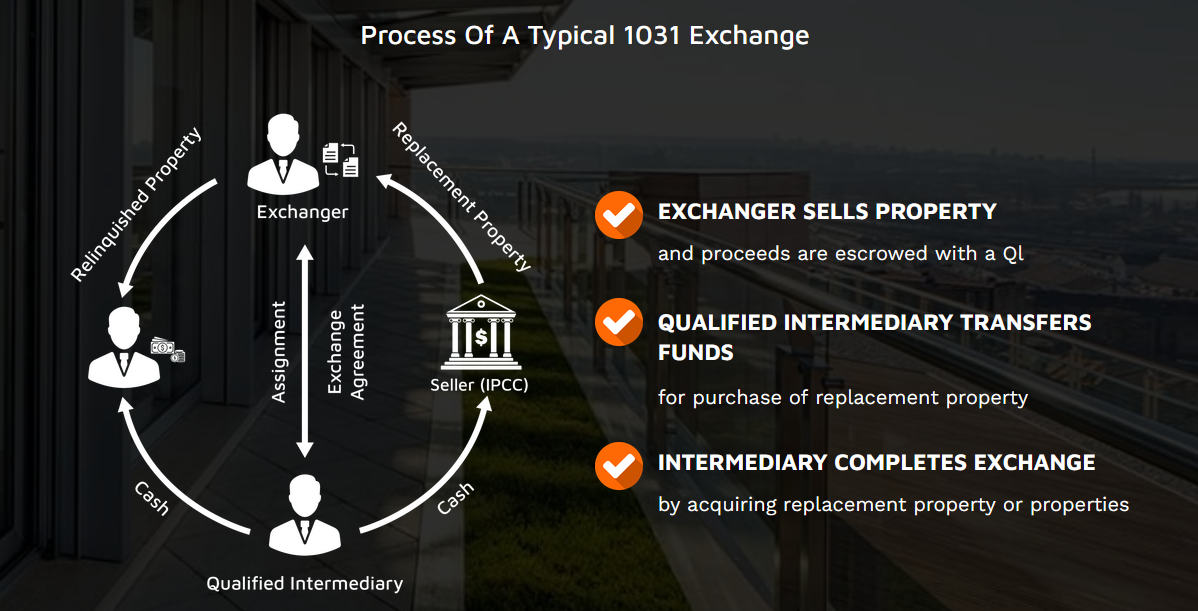
Another essential early step is to engage a Qualified Intermediary (QI)—a neutral third party responsible for holding the proceeds from your sale during the exchange process. The QI also receives formal notification when you’ve identified your replacement property. Because the QI safeguards a substantial amount of your funds, it’s critical to select someone reputable and experienced.
Timing is also key. While it’s not mandatory, begin searching for replacement properties before your sale closes. Having potential options lined up can help reduce stress once the 45-day identification clock starts ticking.
Lastly, make sure your sales contract includes 1031 exchange language, and remember—the seller must not take direct possession of the proceeds from the sale. Doing so would invalidate the exchange and trigger capital gains taxes.
Taking these proactive steps before closing your sale helps ensure your exchange runs smoothly from start to finish.
Identification Period
45-Day Identification Rule
Once your property sells, the identification period begins. This is a short, strictly enforced timeline that’s critical to a successful exchange.
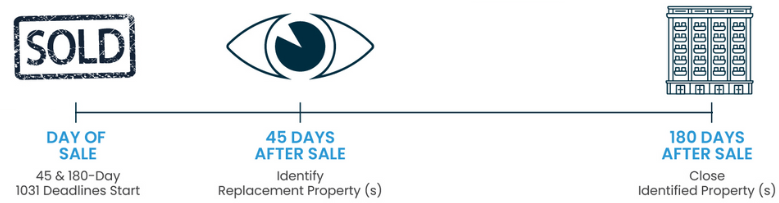
You have 45 calendar days from the day after your property closes to identify your replacement property (or properties). This includes weekends and holidays. For example, if your sale closes on June 1, you must identify your replacement property no later than July 16.
During this time, you’ll notify your QI in writing of the properties you’re considering. After the 45-day period ends, you can only purchase from the properties you’ve identified. Most investors identify up to three properties, so it’s wise to choose options that align with your investment goals and have a high likelihood of closing.
To fully defer capital gains taxes, you must reinvest all equity proceeds into a replacement property (or properties) of equal or greater value. Any remaining proceeds—often referred to as “boot”—will be subject to taxation.
Because of these tight deadlines and value requirements, beginning your search early can significantly increase your chances of completing a successful exchange. If you fail to identify qualifying replacement properties within the 45 days, your 1031 exchange will be disqualified.
Closing
180-Day Closing Deadline
After identifying your replacement property, the next step is to complete the purchase within the 180-day closing window. You have 180 days from the sale date of your original property to close on your new one.
If you use all 45 days to identify your replacement, you’ll have 135 days remaining to finalize the transaction.
At closing, your Qualified Intermediary will release the funds held from the sale of your relinquished property to complete the purchase. If you’re acquiring multiple properties, each closing must occur within the 180-day deadline.
Once your closing is complete, you’ve officially completed your 1031 exchange—successfully deferring some or all of your capital gains tax while transitioning into your new investment property.
Conclusion
We hope this article has given you an overview of the 1031 identification timelines and potential pitfalls. Although a 1031 exchange can be complicated, they are a powerful tool that every real estate investor should have in their toolkit.
If you are considering a 1031 exchange for your property or have additional questions about the process, don’t go it alone. Our experts at 1031 Qualified Intermediary have helped countless investors navigate the 1031 exchange process and we would love to assist you as well.
📅 Ready to get started? To see whether a 1031 exchange is right for you, call (888) 245-1031, email info@1031qualifiedintermediary.net or schedule a consultation with one of our experts today.

Download your free copy of “The Power of 1031 Exchanges” to learn more about how 1031 exchanges can complement your portfolio.